
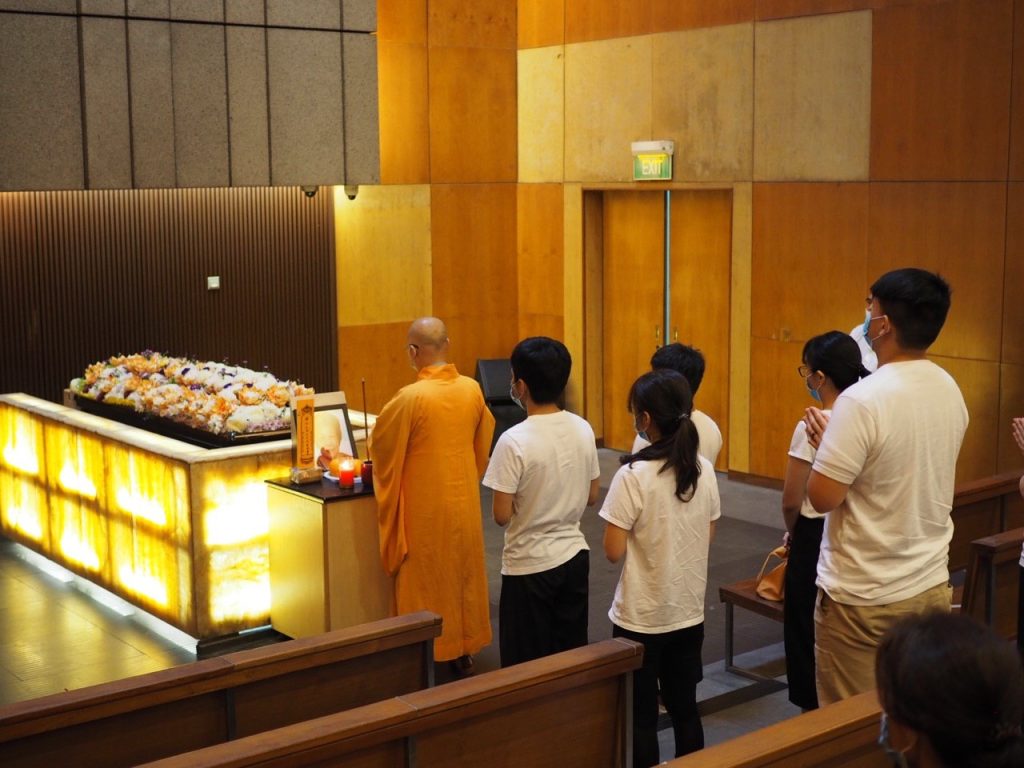
Buddhist funeral services are deeply rooted in spiritual beliefs, cultural traditions, and the philosophy of impermanence. For families seeking meaningful and respectful ways to honor a loved one, understanding Buddhist funeral practices can provide comfort, clarity, and peace during a difficult time. This article offers a comprehensive, easy-to-understand guide to buddhist funeral services, their significance, rituals, and how they are conducted in the modern world.
The Meaning Behind Buddhist Funeral Services
In Buddhism, death is viewed not as an end, but as a transition in the cycle of life, death, and rebirth (samsara). Buddhist funeral services are designed to help the deceased move peacefully into their next rebirth while offering the living an opportunity to cultivate merit, reflect on impermanence, and practice compassion.
Unlike some traditions that focus on mourning alone, buddhist funeral services emphasize calmness, mindfulness, and spiritual support for both the deceased and their family. The ceremonies are solemn yet serene, reflecting Buddhist teachings on acceptance and detachment.
Core Beliefs That Shape Buddhist Funerals
Several fundamental Buddhist principles influence funeral practices:
Impermanence
Everything in life is temporary. Funerals remind attendees that life is fleeting and should be lived with awareness and kindness.
Karma and Rebirth
Actions in this life influence future rebirths. Rituals are performed to generate merit and positive karma for the deceased.
Compassion and Mindfulness
Funeral services encourage compassion for the deceased and mindfulness among the living.
These beliefs form the foundation of all buddhist funeral services, regardless of regional or cultural differences.
Common Elements of Buddhist Funeral Services
While practices may vary among Theravāda, Mahāyāna, and Vajrayāna traditions, most buddhist funeral services include the following elements:
Chanting and Prayers
Monks or spiritual leaders chant sutras to guide the deceased’s consciousness and provide blessings. Chanting creates a peaceful environment and helps family members focus their minds.
Offerings
Offerings such as flowers, incense, candles, and food are placed before an altar. These symbolize respect, impermanence, and generosity.
Meditation
Silent meditation may be practiced to cultivate calmness and positive intentions for the deceased’s journey.
Dharma Talk
A short teaching may be given to remind attendees of Buddhist principles, especially impermanence and compassion.
The Role of Monks in Buddhist Funeral Services
Monks play a central role in traditional buddhist funeral services. They are invited to conduct chanting, prayers, and blessings. Their presence is believed to generate spiritual merit for the deceased and bring peace to the family.
In some traditions, monks may visit the home before the funeral to chant, while in others they officiate ceremonies at temples or funeral halls. The number of monks and duration of chanting may vary based on family preferences and cultural customs.
Buddhist Funeral Services Timeline
Immediately After Death
The body is treated with respect and care. In some traditions, it is left undisturbed for several hours to allow the consciousness to depart peacefully.
Wake or Vigil
A wake may be held for one to several days. Chanting, prayers, and offerings are made during this period.
Funeral Ceremony
The main funeral service includes chanting, offerings, and sometimes a eulogy or remembrance by family members.
Cremation or Burial
Cremation is most common in buddhist funeral services, symbolizing the return of the body to the elements. Burial is also practiced in some cultures.
Post-Funeral Rites
Memorial services may be held on specific days, such as the 7th, 49th, or 100th day after death, depending on tradition.
Cremation in Buddhist Funeral Services
Cremation is widely practiced because it aligns with Buddhist teachings on impermanence. The physical body is seen as temporary, while the mind continues its journey.
Ashes may be:
- Kept in an urn at home
- Placed in a columbarium
- Scattered at sea or a sacred location
- Interred in a temple or cemetery
Families choose what feels most appropriate based on cultural norms and personal beliefs.
Cultural Variations in Buddhist Funeral Services
Buddhist funeral services differ across regions:
Chinese Buddhist Funerals
Often include elaborate altars, extended wakes, and multiple chanting sessions.
Thai and Sri Lankan Funerals
Typically involve temple-based ceremonies, offerings to monks, and community participation.
Tibetan Buddhist Funerals
May include unique rituals such as guided prayers and symbolic offerings to assist consciousness transition.
Despite differences, all share the same spiritual intention of peace and merit-making.
Modern Buddhist Funeral Services
Today, buddhist funeral services are adapted to modern lifestyles while preserving tradition. Families may choose:
- Shorter services
- Funeral halls instead of homes
- Combined cultural and religious elements
Professional funeral service providers often help coordinate logistics, monks, venues, and rituals, ensuring that traditions are respected without overwhelming grieving families.
How Buddhist Funeral Services Help the Living
Beyond honoring the deceased, buddhist funeral services support the emotional and spiritual well-being of family members by:
- Providing structure during grief
- Encouraging reflection and acceptance
- Offering communal support
- Reinforcing hope through spiritual teachings
These services help families process loss with dignity and mindfulness.
Choosing the Right Buddhist Funeral Services Provider
When arranging buddhist funeral services, families should look for providers who:
- Understand Buddhist customs and rituals
- Can coordinate monks and chanting sessions
- Offer transparent pricing
- Respect cultural and spiritual preferences
An experienced provider ensures a smooth process and allows families to focus on remembrance rather than logistics.
Common Questions About Buddhist Funeral Services
Is black clothing required?
White is often preferred in many Buddhist cultures, symbolizing purity and mourning, though practices vary.
Can non-Buddhists attend?
Yes. Buddhist funerals are inclusive, and guests are welcome to observe respectfully.
Are flowers appropriate?
Yes. Flowers are commonly used and symbolize impermanence.
The Importance of Merit-Making
Merit-making is a key aspect of buddhist funeral services. Families may:
- Donate to temples
- Offer food to monks
- Perform acts of charity
These actions are believed to benefit the deceased and bring comfort to the living.
Conclusion
Buddhist funeral services are a profound expression of spiritual wisdom, compassion, and respect for life’s natural cycle. By focusing on impermanence, mindfulness, and merit-making, these services provide comfort to grieving families while honoring the deceased’s journey.
Whether conducted in a traditional or modern setting, buddhist funeral services offer a meaningful way to say farewell, reflect on life, and cultivate peace. Understanding these practices allows families to make informed decisions and ensure that final rites are carried out with dignity, clarity, and heartfelt intention.
By embracing both tradition and compassion, buddhist funeral services continue to serve as a source of healing and spiritual support in times of loss.