
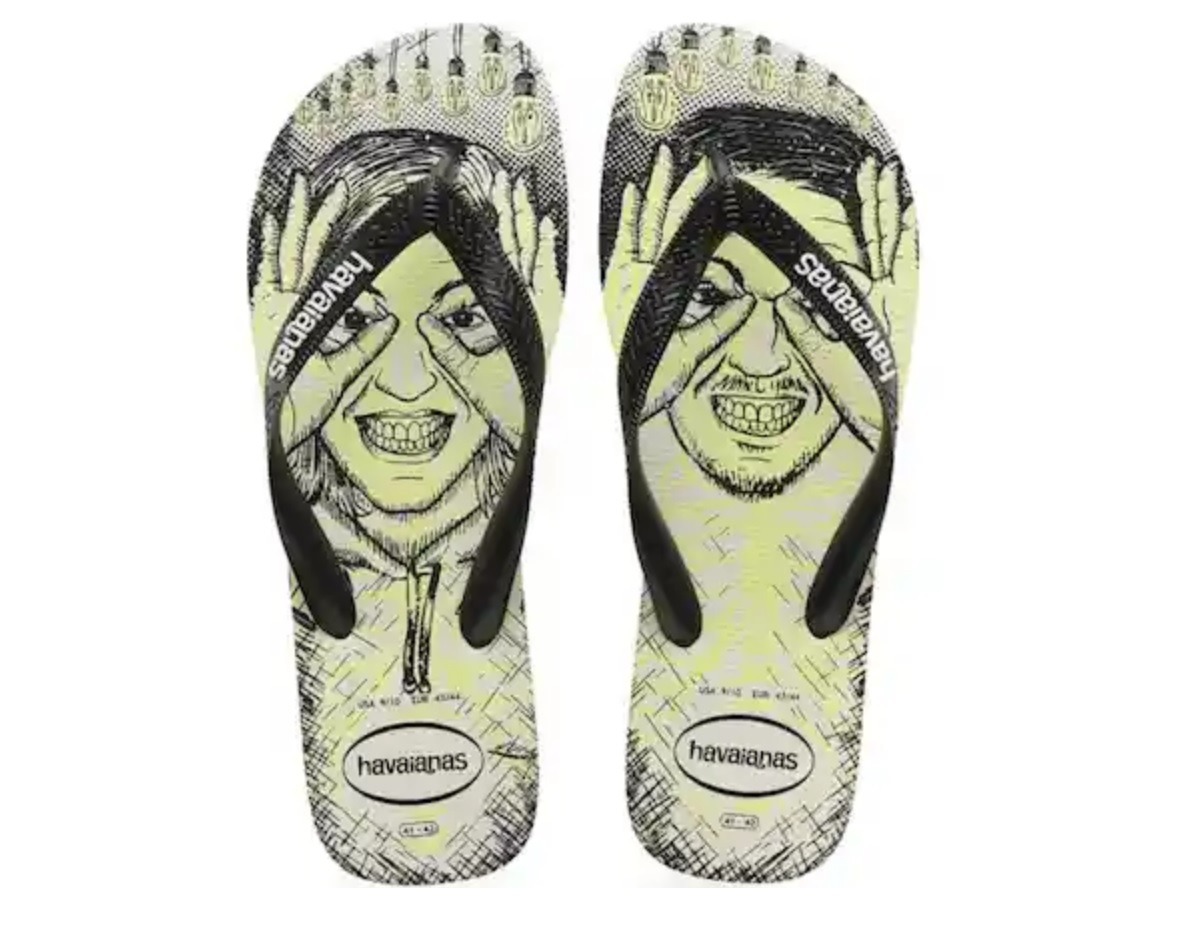
Modern footwear has evolved beyond rigid categories, and men’s flip flops now represent the ultimate fusion of comfort and versatility. Gone are the days when flip flops were reserved exclusively for beach vacations or poolside lounging. Today’s flip flops men choose blend sophisticated design with practical functionality, making them suitable for diverse environments and occasions. Whether you’re navigating city sidewalks, exploring coastal trails, or simply running weekend errands, the right pair of flip flops can accompany you through every adventure with style and ease.
Key Takeaways
- Modern flip flops offer versatile styling suitable for both urban and beach environments
- Quality construction with arch support provides all-day comfort and foot health benefits
- Premium materials ensure durability and weather resistance across various conditions
- Proper fit and sizing are essential for maximizing comfort and preventing foot issues
- Travel-friendly designs make flip flops ideal for packing and airport security
Why Modern Men Are Choosing Flip Flops for Every Occasion
The shift in perception surrounding men’s flip flops reflects broader changes in fashion and lifestyle priorities. Contemporary men value flexibility and comfort without sacrificing style, and flip flops perfectly embody this philosophy. According to footwear industry research from the American Podiatric Medical Association, men increasingly prioritize foot health and breathability in their daily footwear choices, contributing to the rising popularity of open-toed designs.
The Evolution of Men’s Flip Flops
Traditional flip flops were simple rubber thongs with minimal support and basic construction. However, technological advancements have transformed these humble sandals into sophisticated footwear options. Modern manufacturers incorporate ergonomic footbeds, contoured arch support, and impact-absorbing materials that rival athletic shoes in comfort. Premium brands now offer flip flops with adjustable straps, antimicrobial treatments, and cushioning systems designed specifically for male foot anatomy.
The materials have also undergone remarkable improvements. While classic rubber remains popular, today’s flip flops utilize memory foam, EVA compounds, natural cork, and even recycled ocean plastics. These innovations create products that withstand daily wear while providing superior comfort compared to their predecessors.
Breaking Style Stereotypes
The stigma that flip flops appear too casual for public settings has largely disappeared. Fashion-forward designs featuring refined leather uppers, subtle branding, and sophisticated color palettes allow men to wear flip flops confidently in various social contexts. Coastal communities and warm-climate regions have particularly embraced this relaxed footwear culture, where flip flops seamlessly transition from morning coffee runs to evening dinner outings.
Smart casual dress codes increasingly accommodate quality flip flops, especially when paired thoughtfully with appropriate clothing. A well-crafted pair in neutral tones complements chinos, shorts, or even linen trousers, creating a polished yet comfortable appearance suitable for many social and casual professional settings.
Key Features That Make Flip Flops Versatile
Understanding what separates exceptional flip flops from basic models helps you select pairs that genuinely perform across multiple environments. Versatility stems from thoughtful engineering and quality materials rather than marketing claims alone.
Premium Materials for Durability
Superior flip flops utilize materials selected for specific performance characteristics. Full-grain leather offers natural breathability and develops an attractive patina over time, making it ideal for street wear. Synthetic leather alternatives provide water resistance while maintaining a refined appearance. For beach and water activities, quick-drying nylon webbing or treated canvas ensures moisture doesn’t compromise structural integrity.
Sole construction matters equally. High-density rubber compounds resist abrasion on pavement while maintaining adequate grip on wet surfaces. Some premium models feature dual-density soles with firmer rubber on high-wear areas and softer compounds where cushioning matters most. These engineering choices directly impact longevity and comfort across diverse terrain.
Arch Support and Comfort Technology
The difference between flip flops that cause foot fatigue and those you can wear all day lies primarily in arch support design. Contoured footbeds that match natural foot anatomy distribute weight evenly, reducing pressure points and strain. Podiatrist-designed models incorporate specific arch heights calibrated for different foot types, from flat to high arches.
Cushioning technology has borrowed innovations from athletic footwear. Memory foam layers conform to individual foot shapes, while gel inserts absorb impact during walking. Some advanced designs include heel cups that stabilize the foot and prevent the sliding motion that causes blisters. These features transform flip flops from simple sandals into supportive footwear suitable for extended wear.
Weather-Resistant Construction
Versatile flip flops must handle various environmental conditions without deteriorating. Water-resistant treatments protect materials from salt water, chlorine, and rain exposure. Rust-proof hardware ensures buckles and rivets maintain functionality despite moisture contact. UV-resistant materials prevent color fading and material breakdown from sun exposure, particularly important for footwear frequently worn outdoors.
Temperature tolerance also matters. Materials that remain flexible in cool weather prevent uncomfortable stiffness, while heat-resistant compounds won’t soften excessively on hot pavement. These considerations ensure your flip flops perform consistently regardless of climate or season.
Street Style: Wearing Flip Flops in Urban Settings
Incorporating flip flops into city wardrobes requires understanding style principles that elevate casual footwear into fashionable statements. Urban environments present unique challenges, from rough pavement to social expectations, making thoughtful selection essential.
Pairing Flip Flops with Casual Wear
The foundation of street-appropriate flip flop styling lies in balanced proportions and complementary aesthetics. Slim-fit shorts or tapered chinos create cleaner lines than baggy alternatives, preventing an overly relaxed appearance. Well-fitted t-shirts, polo shirts, or casual button-downs maintain the smart casual balance that makes flip flops appropriate for errands, casual dining, or social gatherings.
Avoid athletic wear combinations unless heading to or from beach activities. Pairing flip flops with athletic shorts and performance fabrics creates a gym-going impression rather than intentional style. Instead, opt for casual cotton or linen pieces that suggest leisure without appearing unkempt.
Accessories matter too. A quality watch, simple bracelet, or tasteful sunglasses elevate overall presentation, signaling that your flip flops represent a deliberate style choice rather than afterthought footwear. This attention to detail communicates confidence in your appearance.
Choosing the Right Color and Design
Neutral colors like black, brown, navy, and tan offer maximum versatility for urban settings. These shades coordinate effortlessly with various outfits while appearing more refined than bright tropical colors. However, subtle earth tones or muted blues can add personality without overwhelming your look.
Design complexity should match your typical wardrobe. Minimalist flip flops with clean lines suit modern, streamlined aesthetics, while slightly textured or patterned options complement casual, eclectic styles. Logo placement matters—discreet branding appears more sophisticated than prominent labels.
Strap width influences visual impact significantly. Thinner straps create a lighter appearance suitable for warmer weather and minimal outfits, while wider straps provide a more substantial look that works better with heavier fabrics and cooler conditions.
Beach and Poolside Performance
Despite their expanded versatility, flip flops remain quintessential beach and pool footwear. However, not all models perform equally in aquatic environments, making specific feature identification important for water-focused activities.
Water-Friendly Features
Genuine water-ready flip flops incorporate materials that maintain integrity despite constant moisture exposure. Synthetic straps resist water absorption, preventing the stretching and odor development common with fabric materials. Drainage channels in footbeds allow water to escape rather than pooling, reducing slipping risks and maintaining comfort.
Non-slip outsoles become critical around pools and on wet sand. Deep tread patterns or textured rubber compounds provide traction on slippery surfaces, though extremely aggressive treads may trap sand uncomfortably. The ideal balance offers sufficient grip without becoming maintenance burdens.
Buoyancy characteristics matter for water sports enthusiasts. Some flip flops float if accidentally kicked off in water, while others sink immediately. This consideration becomes particularly relevant for boating, kayaking, or stand-up paddleboarding activities where footwear loss poses greater inconvenience.
Quick-Dry Materials
Material selection directly impacts drying speed and post-water comfort. Synthetic straps and EVA foam footbeds typically dry within minutes, while natural materials like leather or cork require substantially longer. For beach days involving multiple water entries, quick-dry construction prevents the discomfort of repeatedly donning wet footwear.
Antimicrobial treatments become especially valuable in aquatic contexts where constant moisture creates ideal conditions for bacterial growth. These treatments inhibit odor development and reduce fungal infection risks, maintaining foot health during extended beach vacations or regular pool visits.
Travel-Friendly Benefits of Men’s Flip Flops
Frequent travelers increasingly recognize flip flops as essential packing items, offering practical advantages beyond their primary function as footwear.
Lightweight and Packable Design
Weight consciousness matters for travelers managing luggage restrictions or preferring minimalist packing. Quality flip flops typically weigh under eight ounces per pair, negligibly impacting baggage weight while providing versatile footwear options. Their flat profile allows efficient packing in suitcase sides or compression spaces without damaging other items.
This space efficiency becomes particularly valuable for extended trips where wardrobe variety matters. Rather than packing multiple shoe types, travelers can bring flip flops that handle beach activities, hotel room wear, and casual dining, significantly reducing luggage volume.
TSA-Friendly Airport Wear
Airport security checkpoints favor slip-on footwear, making flip flops ideal for travel days. Unlike laced shoes requiring removal and retying, flip flops allow quick transitions through security screening. This convenience extends to long flights where swollen feet benefit from unrestricted footwear that accommodates size fluctuations.
Hostel and hotel environments also favor flip flops for shower use, protecting feet from communal bathroom floors. Their easy-clean surfaces resist the moisture and bacteria encountered in shared facilities, providing both comfort and hygiene benefits.
Health Benefits of Quality Flip Flops
Beyond convenience and style, properly designed flip flops offer legitimate health advantages for foot wellness.
Foot Ventilation and Hygiene
Open-toe designs promote air circulation around feet, significantly reducing moisture accumulation that causes athlete’s foot and other fungal conditions. This natural ventilation proves especially beneficial in warm climates where closed shoes trap sweat and create problematic environments.
Reduced moisture also minimizes odor development. Unlike enclosed shoes requiring regular cleaning or odor-fighting products, flip flops naturally maintain fresher conditions through continuous airflow. This characteristic benefits not only wearers but also households where shoe odors sometimes pose problems.
Preventing Common Foot Problems
Surprisingly, quality flip flops with proper arch support can alleviate certain foot conditions. Individuals with bunions, hammertoes, or Morton’s neuroma often find relief in footwear lacking restrictive toe boxes. The freedom of movement flip flops provide can reduce pressure on affected areas compared to traditional shoes.
However, selection matters critically. Cheap flip flops lacking arch support can worsen conditions like plantar fasciitis through inadequate cushioning and support. Podiatrist-approved models with anatomical footbeds provide the structural benefits necessary for healthy foot mechanics, making quality investment essential for those prioritizing foot health.
Selecting the Perfect Pair for Your Lifestyle
Matching flip flop characteristics to your specific needs ensures satisfaction and prevents buyer’s remorse.
Understanding Fit and Sizing
Proper flip flop fit differs from traditional shoe fitting. Your toes should neither hang over the front edge nor sit far back from it. Approximately a quarter-inch gap between toes and the front edge provides ideal positioning. Heels should rest comfortably within the footbed boundaries without extending past the back edge, which causes gait instability and increased tripping risks.
Strap position matters equally. The thong should sit comfortably between your first and second toes without causing rubbing or pressure. Some breaking-in tightness is normal, but significant discomfort indicates poor fit that likely won’t improve. Width considerations vary by manufacturer, with some brands offering specific wide or narrow options for better accommodation of different foot shapes.
Budget vs. Premium Options
Price ranges for men’s flip flops span from under ten dollars to over one hundred dollars, reflecting significant quality variations. Budget options typically sacrifice durability, comfort features, and material quality. While adequate for occasional use, they rarely justify their low cost through repeated purchases necessitated by rapid wear.
Mid-range options between thirty and sixty dollars generally offer the best value proposition, incorporating quality materials and comfort technology without premium brand markups. These models suit most daily wear needs and provide reasonable longevity.
Premium flip flops exceeding seventy-five dollars justify their cost through exceptional craftsmanship, advanced comfort systems, and distinctive styling. For daily wearers or those prioritizing maximum comfort and durability, this investment often proves worthwhile through extended lifespan and superior performance.
Care and Maintenance Tips
Proper maintenance extends flip flop lifespan and maintains their appearance and functionality.
Regular cleaning prevents material degradation and odor development. Most synthetic flip flops tolerate simple soap and water washing, while leather options require specialized cleaners and conditioners. Removing sand and debris after beach use prevents abrasive wear that damages footbeds and outsoles prematurely.
Storage considerations matter too. Keeping flip flops away from direct sunlight prevents UV damage and material breakdown. Storing them flat rather than crushed maintains their shape and prevents strap deformation. For leather models, occasional conditioning treatments preserve suppleness and prevent cracking.
Rotation between multiple pairs reduces wear concentration, allowing materials to decompress between uses. This practice particularly benefits foam-based footbeds that perform better with recovery time between wear sessions.
Embracing Versatile Footwear Freedom
The modern flip flop represents far more than simple beach footwear. Through thoughtful design, quality materials, and attention to comfort, today’s options genuinely accommodate diverse environments and activities. Whether navigating urban streets, enjoying coastal adventures, or traveling across continents, the right flip flops provide reliable comfort without compromising style.
Selecting flip flops that match your lifestyle requires considering material quality, support features, and design aesthetics that align with your typical activities and wardrobe. Investment in well-constructed pairs pays dividends through enhanced comfort, extended durability, and versatile performance across settings. As attitudes toward casual footwear continue evolving, flip flops men choose increasingly reflect personal style while delivering practical benefits that enhance daily life.
Poorly designed flip flops lacking arch support can contribute to plantar fasciitis, heel pain, and altered gait patterns. However, quality models with proper anatomical support and cushioning can actually benefit foot health by allowing natural toe movement and providing adequate shock absorption. Selecting flip flops with contoured footbeds and avoiding extended wear of unsupportive models prevents most issues.
With proper care and regular rotation, premium flip flops typically last 1-2 years of frequent use. Lifespan depends heavily on wear frequency, terrain exposure, and maintenance practices. Beach and water use generally accelerates wear compared to casual street wear. Signs requiring replacement include compressed footbeds losing cushioning, worn outsoles compromising traction, and damaged straps affecting security.
While not illegal in most jurisdictions, flip flops present safety concerns for driving due to potential slipping and reduced pedal feel. They can catch on pedals or slide off feet during operation. For frequent drivers, keeping closed shoes in the vehicle for driving and changing to flip flops at destinations provides the safest approach while maintaining comfort preferences.